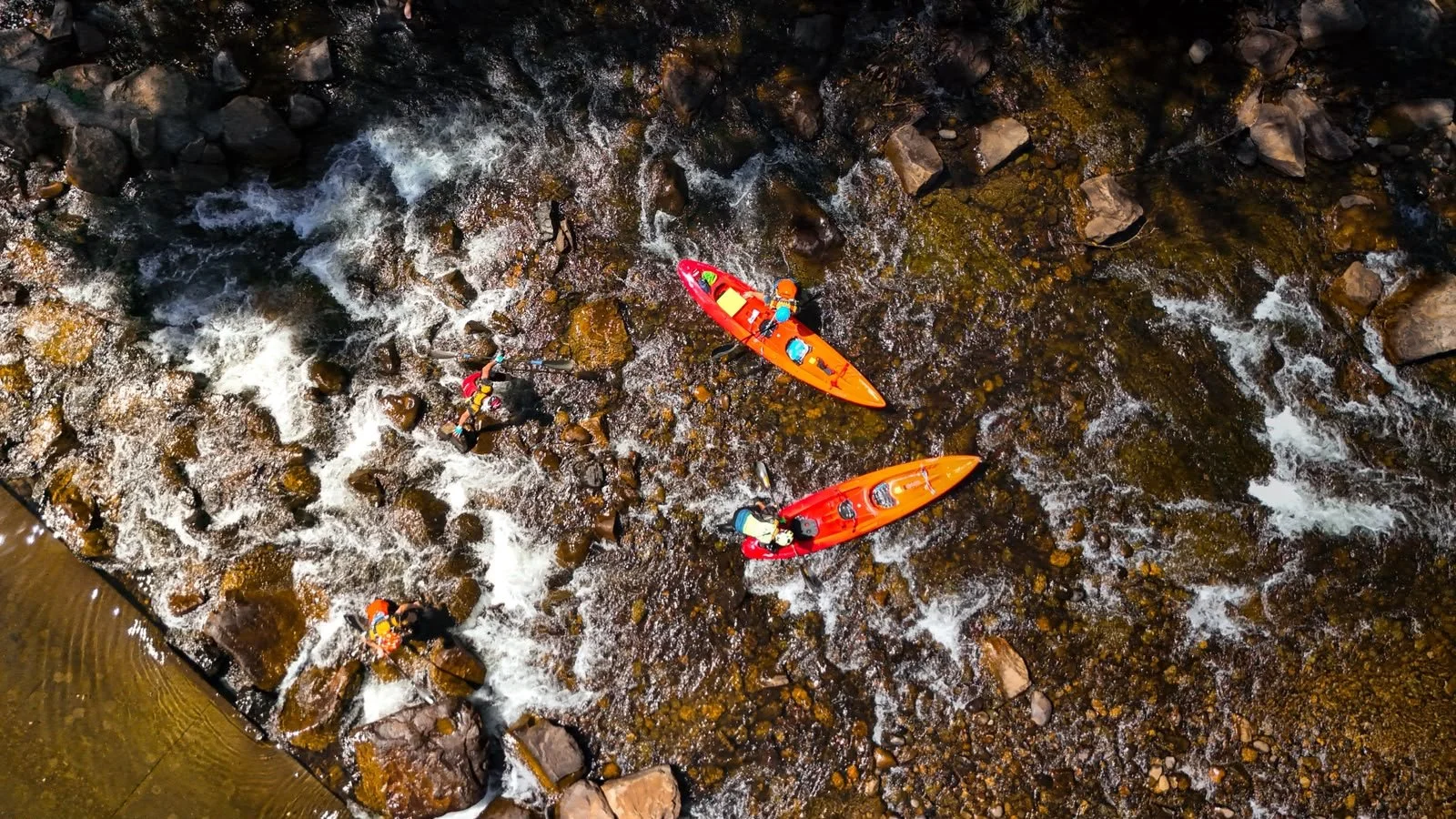
The Mountain Designs GeoQuest has celebrated its 25th birthday with a spectacular finale to the race’s current format, with teams battling white water, difficult navigation, wild forests and dramatically changing weather across the Barrington Coast.
GeoQuest has been challenging adventure racing teams since its first race in 2002 and, over more than two decades, has developed its own traditions, stories and place within Australian adventure racing.
For Race Director Chris Dixon, seeing teams finally line up in Forster was particularly significant after flooding and severe weather disrupted the event over the previous two years.
“It was pretty special seeing everyone on the start line. GeoQuest has been a huge part of Australian adventure racing for 25 years, and there are people in this field who have been coming back and racing it for a very long time.
“We wanted this final race in the current format to feel like a proper GeoQuest. We wanted big country, proper navigation, difficult decisions and some genuine adventure... and I think the course delivered all of that.
“There was a lot of emotion around this one, but it was also just really exciting to see the teams out there racing and doing what GeoQuest teams do.”
A Classic GeoQuest Course
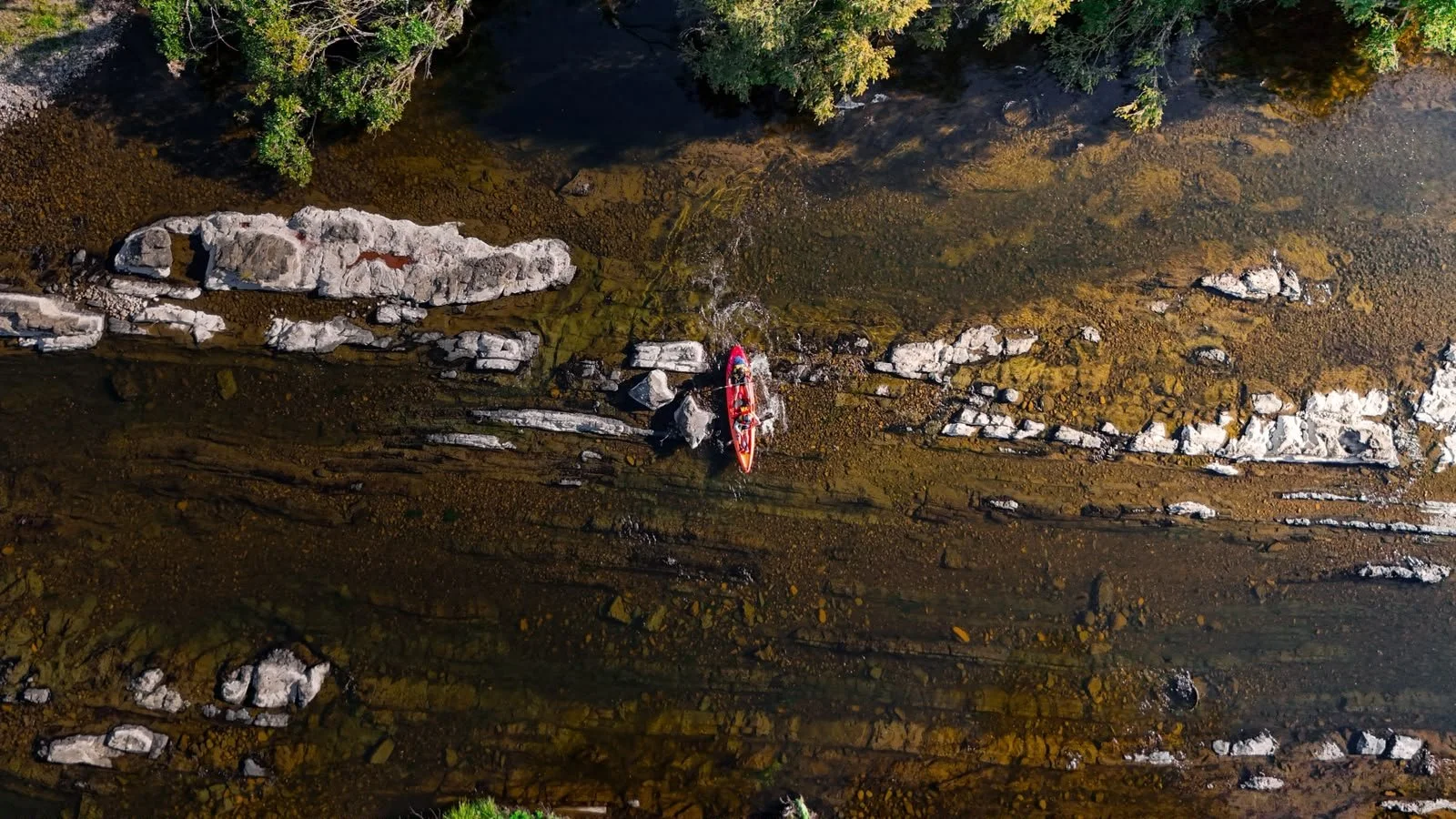
The race began with one of its biggest highlights as teams took on the Barrington River in hot conditions.
White water, rapids and plenty of action provided an exciting opening paddle before teams transitioned onto their bikes as temperatures began to fall.
A spectacular full moon provided the backdrop as teams climbed away from the river and followed beautiful country lanes alongside Berrico Creek and towards Berrico National Park and State Forest.
Their first trek was a short but deceptively challenging rogaine of around four to five kilometres.
Teams quickly discovered that trails marked on the map weren’t always quite as obvious on the ground. Ridgelines, saddles, high points, spurs and a deep creek bed provided the first serious navigational test before teams returned to transition and headed out on what would become one of the defining legs of the race.
The 56-kilometre mountain bike leg sounded relatively straightforward on paper.
It was anything but.
Navigation decisions, steep ridges, gullies and sections of hike-a-bike made progress difficult before teams were rewarded with spectacular riding through The Glen and Ghin-Doo-Ee National Park, including some incredible forest trails and singletrack.
Checkpoint 15 proved particularly challenging for a number of teams before they eventually emerged at Markwell Fire Station, where they were welcomed by the event crew and another major transition.
For the Full Course teams, the next challenge was perhaps the toughest of the race... a 25–28 kilometre trek through Wang Wauk State Forest and the surrounding national park.
Steep hills, deep gullies, disappearing tracks and thick lantana combined to create genuine expedition-style adventure racing. Teams were forced to make constant navigation decisions while continuing to push through some incredibly challenging terrain.
Simply reaching the transition at Coolongolook became a significant achievement.
From Glassy Water To Horizontal Rain
Initially, conditions looked almost perfect. Glassy water and an outgoing tide helped teams through the early stages of the final kayak.
Then everything changed.
As teams crossed the open water between CP19 and CP20, they were confronted by horizontal rain, strong winds, chop and waves, with temperatures dropping to around 11°C and a significant wind chill.
It was another reminder of how quickly conditions can change during GeoQuest.
Teams dug deep and pushed through the weather before eventually reaching the final transition and setting off on the last trek towards Forster and the finish line.
The stamina, strength and determination shown by teams throughout the race demonstrated the depth of experience and toughness within the GeoQuest field.
A Race Right To The Finish
At the front of the field, BMX Bandits spent much of the race leading, but it was never comfortable.
Mountain Designs Wild Women moved into the lead at one stage, while the positions behind them changed repeatedly throughout the race. Teams crossed paths throughout the course, with second, third, fourth and fifth places continuing to change and the pressure remaining on deep into the race.
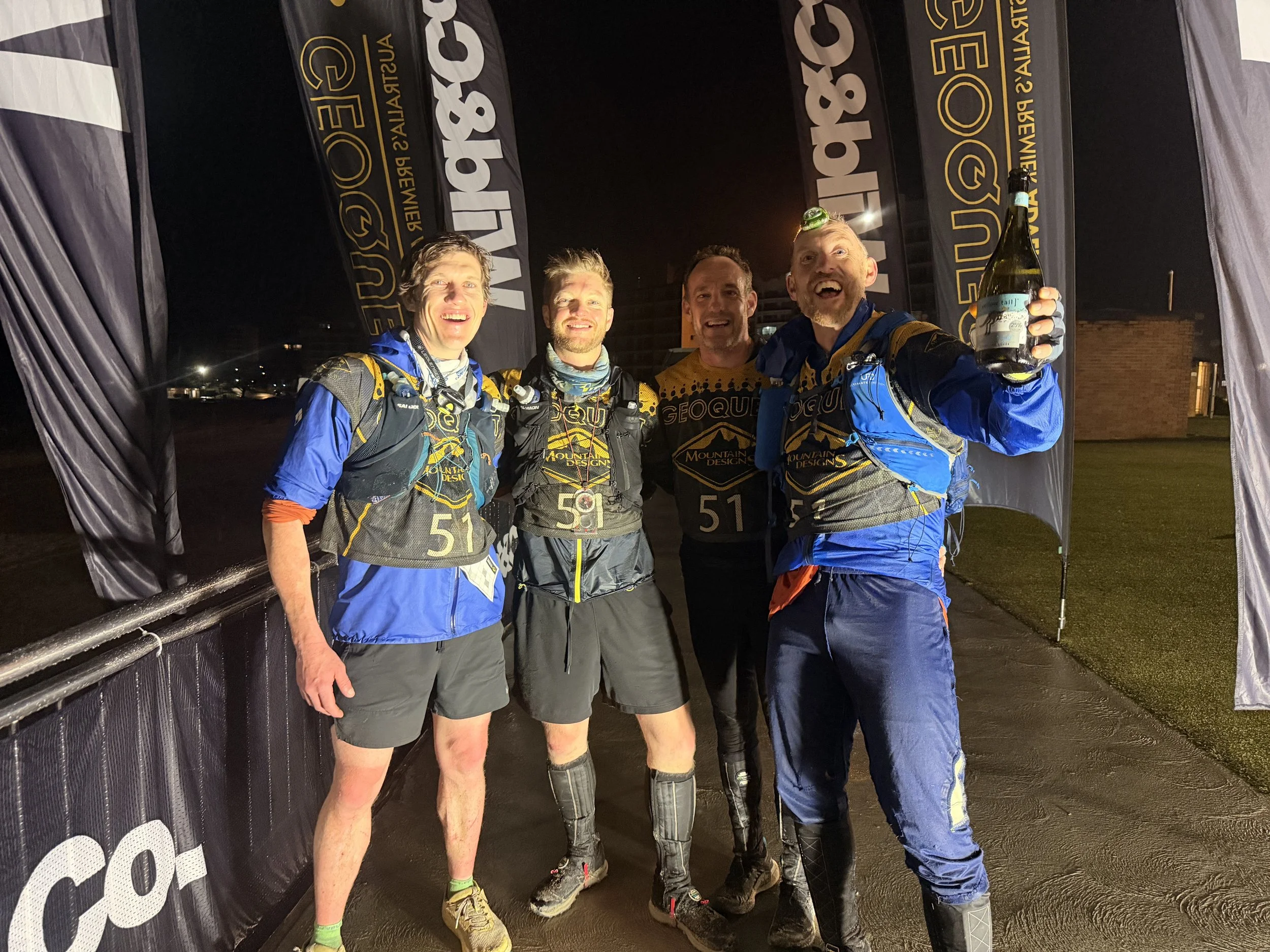
Ultimately, long-time GeoQuest competitors BMX Bandits took the overall victory and first Male team.
Wicking Through The Marshes finished second overall and second Male, while Mountain Designs Wild Womencompleted the podium in third overall and first Female.
Full Course Podium
BMX Bandits – Male
Wicking Through The Marshes – Male
Mountain Designs Wild Women – Female
Half Course Podium
Lost Hogs – Male
Living Large – Male
Wild Hunts Dirty Boots – Female
For BMX Bandits, the victory was a fitting result in the final GeoQuest in its current format.
After crossing the finish line, BMX Bandits’ Dave Ellis reflected on the challenging nature of the race and the legacy of GeoQuest co-founder Craig Bycroft.
“That was a course Craig would have been proud of,” Ellis said.
Their victory combined toughness, strong navigation decisions and the mental grit required to keep moving as the race became increasingly difficult.
That same resilience was evident throughout the field.
The changing weather, demanding navigation and scale of the course tested every team differently. Watching competitors continue to make decisions, solve problems and push forward through difficult moments was a fitting reminder of what has made GeoQuest such an enduring part of Australian adventure racing.
What Comes Next For GeoQuest?
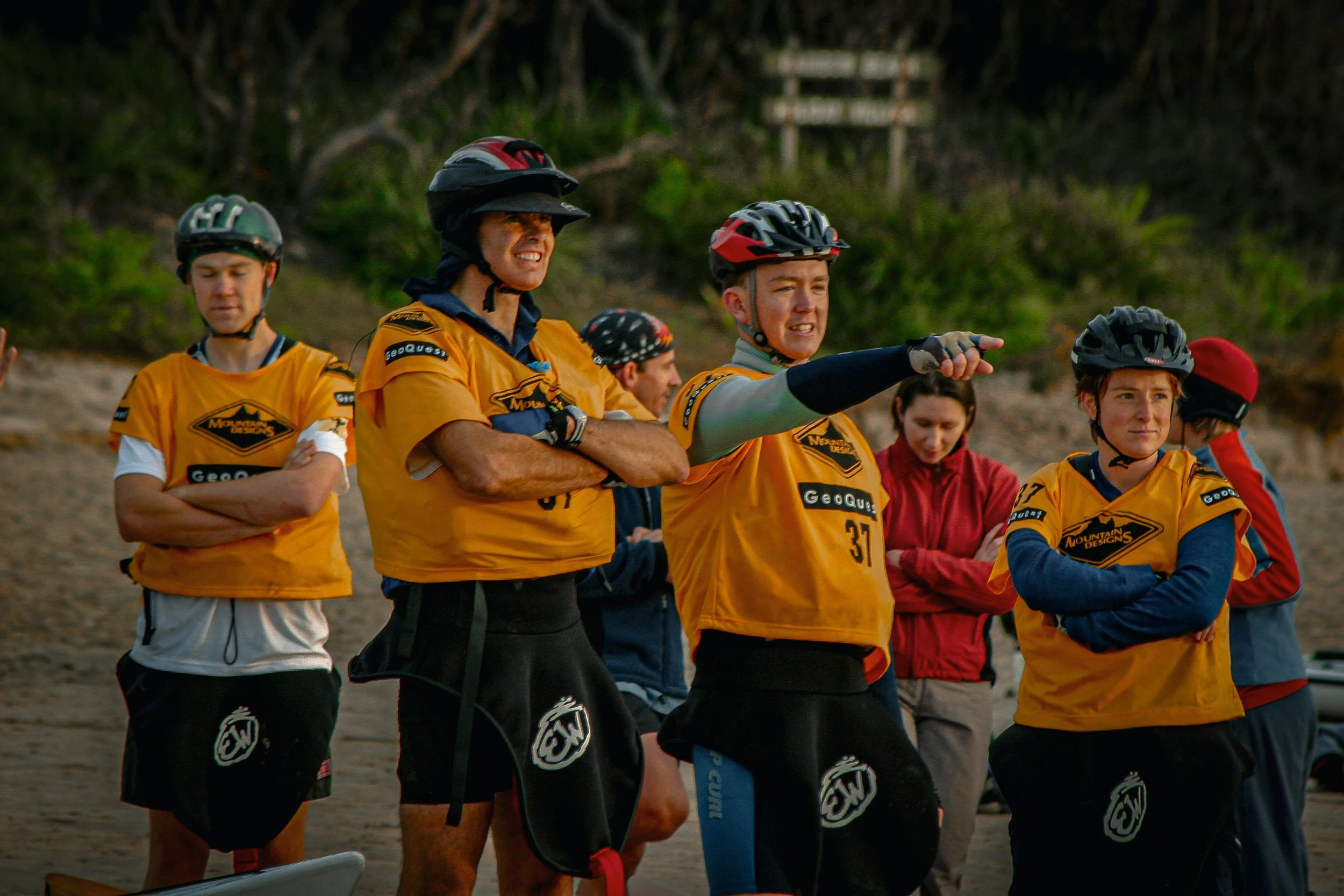
While the finish line marks the end of GeoQuest in its current format, what comes next remains an open question.
Change has always been part of the race’s history. GeoQuest was originally raced south of Sydney before moving to the Mid North Coast after its first few years, beginning the era of GeoQuest that most competitors know today.
Now, 25 years later, Wild&Co will take some time to reflect on the event and talk to the adventure racing community about whether there should be another chapter, and what that might look like.
Wild&Co will begin a consultation process with past and present competitors and the wider Australian adventure racing community, including a survey over the coming month.
Dixon said there are deliberately no decisions yet about the future of the race.
“This is the end of GeoQuest in its current format, and I think after 25 years it’s the right time to stop and ask what comes next.
“GeoQuest has evolved before. It started south of Sydney before moving to the Mid North Coast, and that change shaped the race that most people know today.
“There may be another evolution of GeoQuest, there may still be an appetite for the classic 48-hour race, or this may prove to have been the final GeoQuest. We genuinely don’t know yet, and I think that’s okay.
“What matters now is listening to the people who have raced it, supported it and been part of it over the years. We’ll be asking the adventure racing community what they want to see next, and then we’ll make a decision about where GeoQuest goes from here.”
After 25 years of adventure racing, the current chapter of GeoQuest has come to a close.
Whether another chapter follows will be a conversation with the adventure racing community that helped build it.