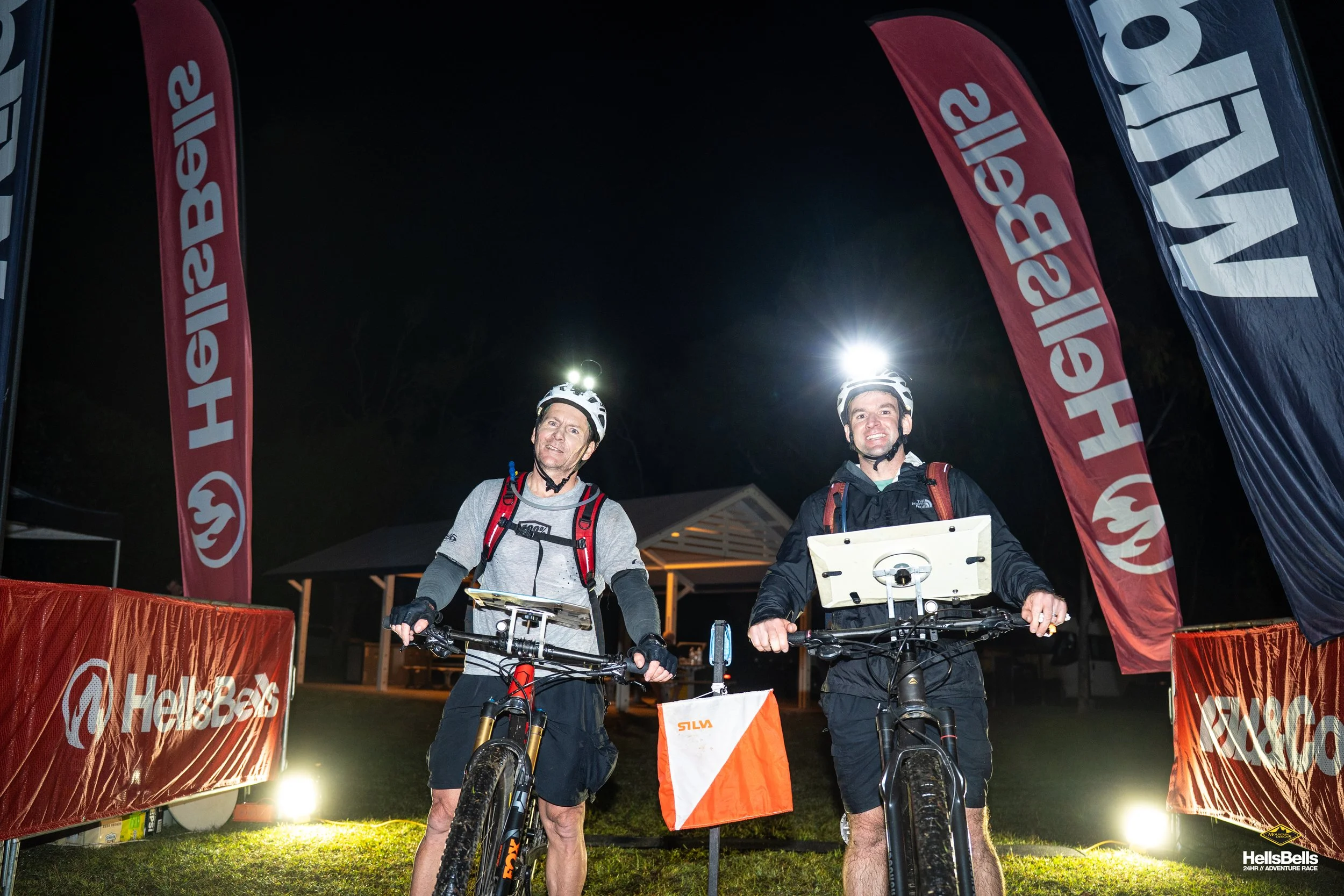
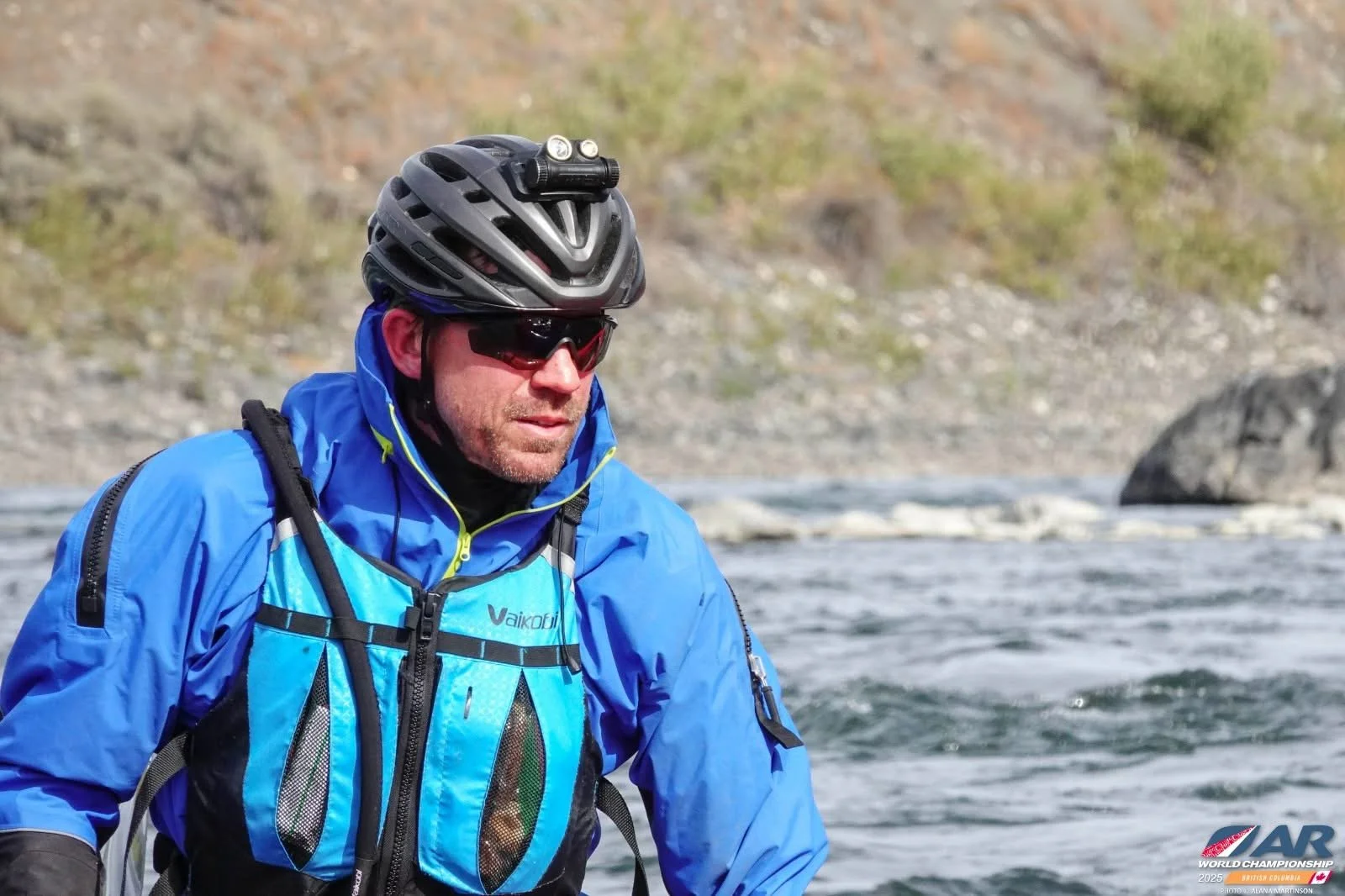
Sam Brauns at the world champs – he loves his Fenix headlamp especially with the helmet mount accessory. We’re about to do 50 kms of big white water, we came out a couple of times but the water and rocks were no issue.
Adventure Racing Lights: One Fenix Setup From 24-Hour To Expedition
Lighting is easy to overcomplicate.
You don't need the biggest lumen number. You need a lighting system that works for running, riding and paddling, lasts through the night, takes a beating and can scale from a 24-hour race to a multi-day expedition.
After years of racing and spending far too much money on different lights, this is the Fenix setup I'd recommend.
We've Partnered With Fenix Store Australia
Wild&Co has partnered with Fenix Store Australia, our recommended place to buy Fenix lights and accessories.
Even better, use code WLDNCO for 10% off.
The links below are referral links, so purchasing through them also supports Wild&Co at no additional cost to you.
Buy Well Once
I've spent far too much on lights over the years and wish I'd had this setup from the start. Buy well once and your lights are sorted.
Adventure racing, ultra trail running, bikepacking, hiking or some other crazy personal adventure — the same system works.
Add a few spare batteries as the adventures get longer and don't think about lights again.
The Setup
Headlamp: Fenix HM65R-T V2.0
Bike Light: Fenix BC26R 1600lm + FREE BC05R V2.0 Tail Light
Helmet Mount: Fenix ALG-03 V2.0 Headlamp Helmet Attachment
Backup: Fenix HL17R Rechargeable Headlamp
Spares: Fenix Batteries
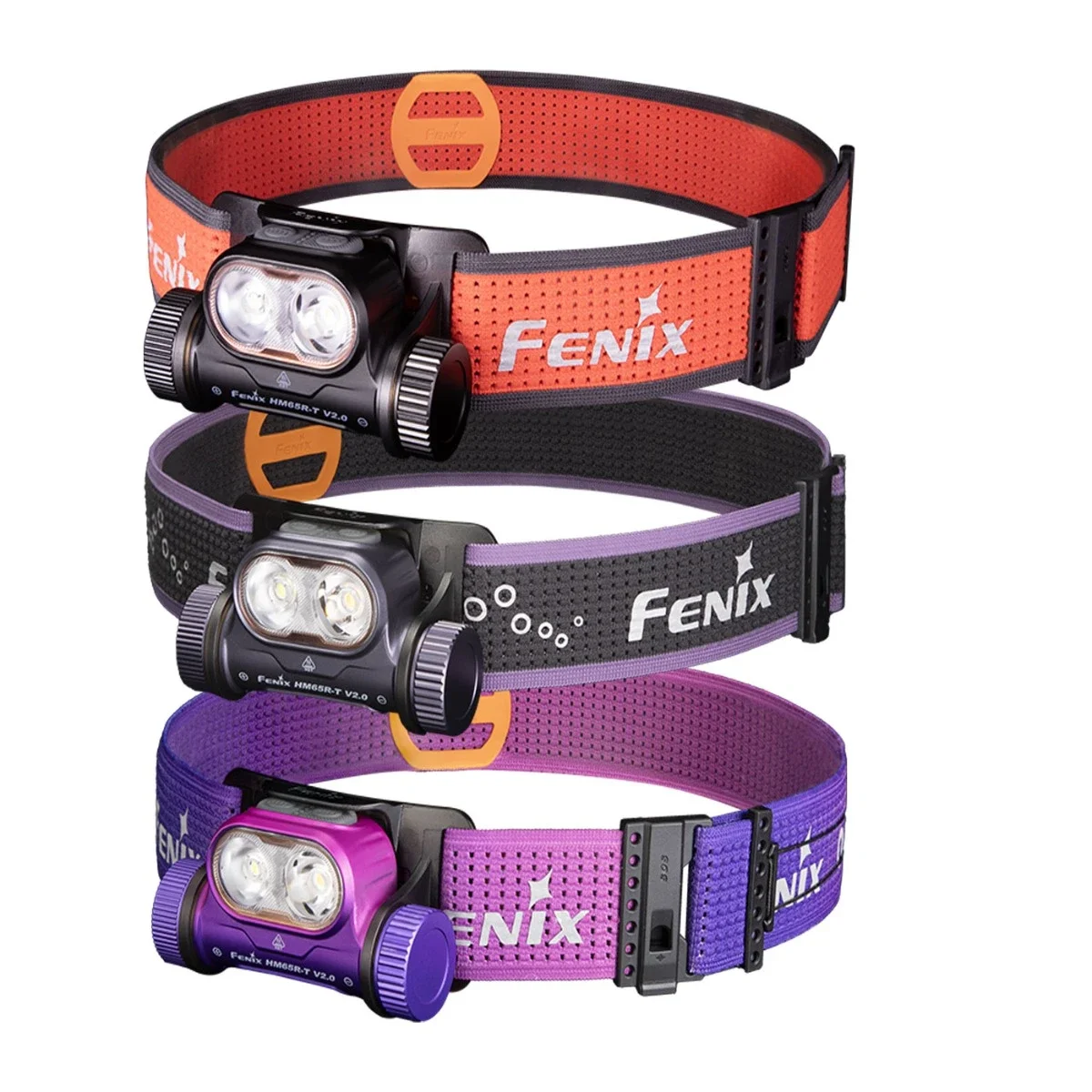
Love the colour options too.
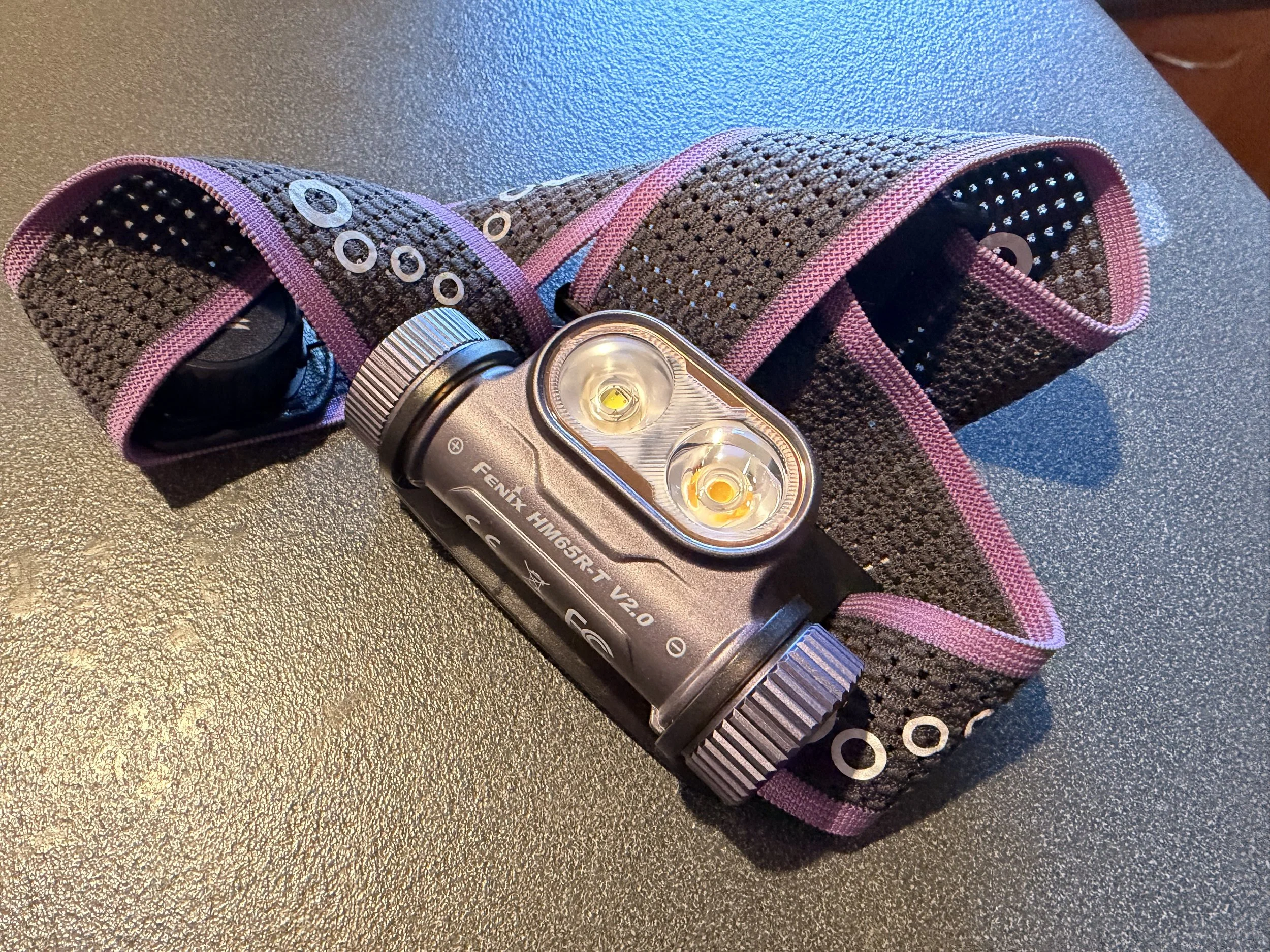
The HM65 In real life.
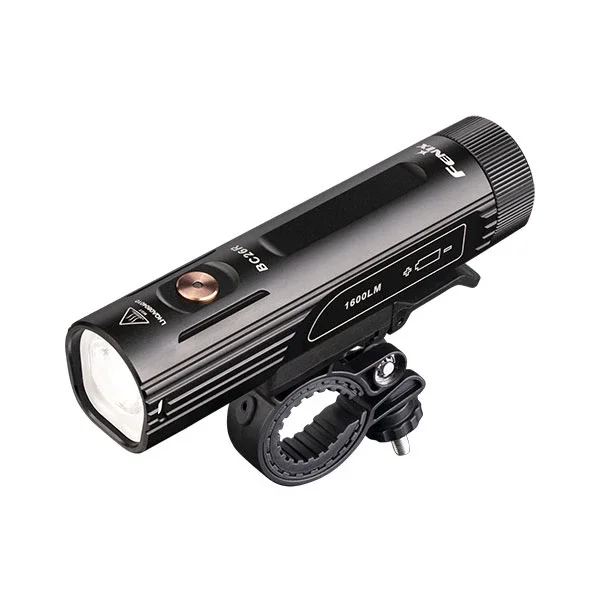
Shiny and new.
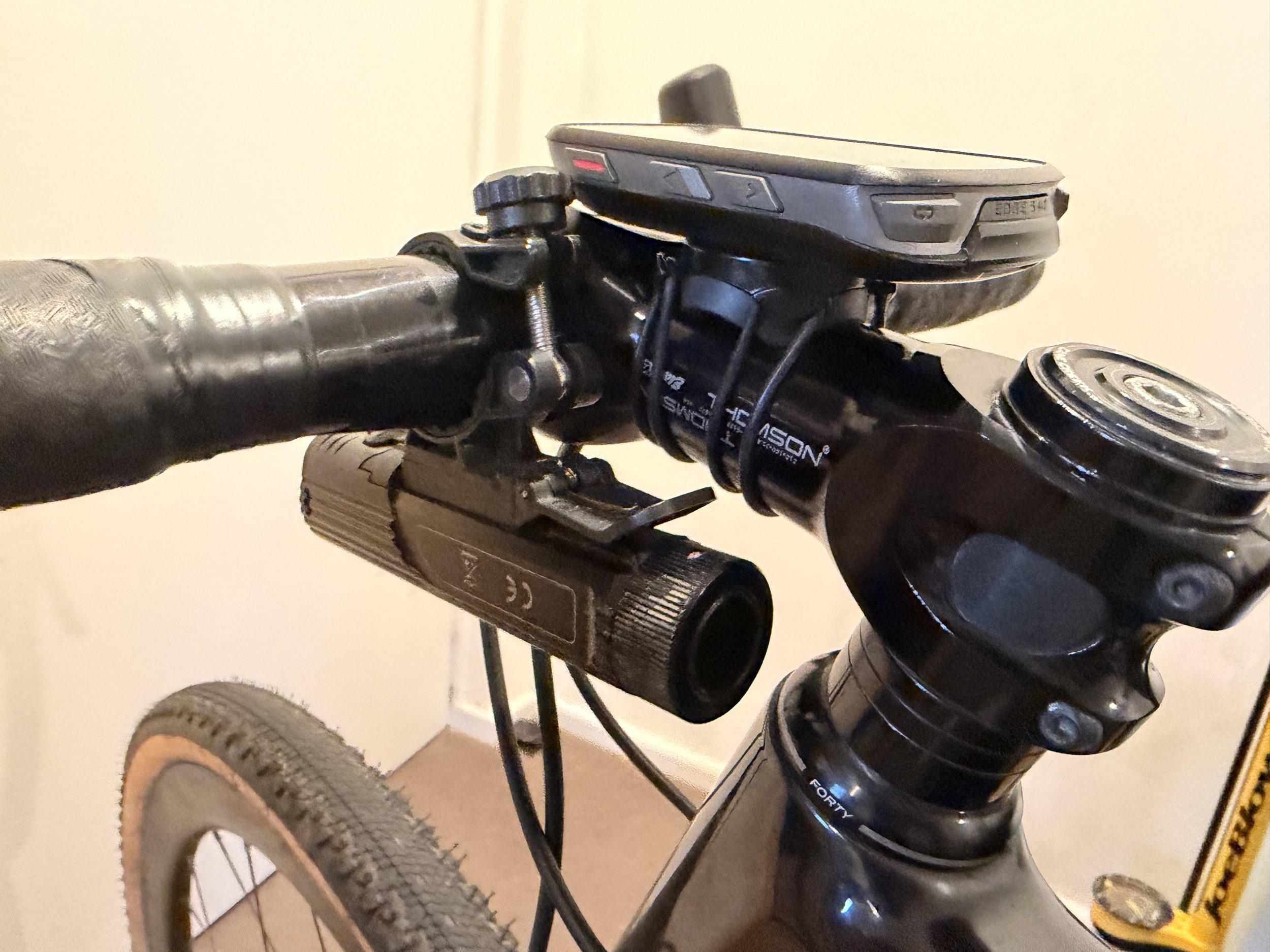
Ready for a gravel adventure.
Your Bike Needs Two Lights
For off-road riding at night, I want a handlebar light AND a helmet light. The handlebar light illuminates where the bike is pointing. The helmet light illuminates where you're looking.
For adventure racing, that's an absolute must. Ride into a CP, jump off the bike, run in and find it, then jump back on.
Your light comes with you.
The BC26R gives you up to 1600 lumens, but the number I care about is 600 lumens for around 9.5 hours.
For me, 600 lumens is about the minimum for good off-road riding — and that's basically an entire night.
The Helmet Mount Is A Game Changer
This little Fenix helmet attachment is one of my favourite parts of the setup.
Use the HM65R-T for running and trekking. At the bike transition, clip the same light onto your helmet and pair it with the BC26R on the handlebars.
At the next trek, put it back on the head strap.
One great headlamp doing multiple jobs.
If you want even faster transitions, buy two HM65Rs and leave one permanently attached to your bike helmet.
Battery Life Beats Lumens
Don't get caught up chasing maximum output. Most of the night you'll use a sensible setting, then turn it up when you need it.
The BC26R's 600 lumens for around 9.5 hours is the number I care about — good off-road light for basically an entire night.
And importantly, the batteries are swappable. Unlike sealed lights or expensive proprietary battery systems, Fenix uses standard, relatively inexpensive replaceable batteries. Carry a couple of spares, swap them out and keep racing.
For an expedition, just add more batteries.

The Bike Light BC26R Runtime Graphs – 600 lumens for 9.5hrs is awesome, or if you’re bombing a technical descent, crank it up to turbo!
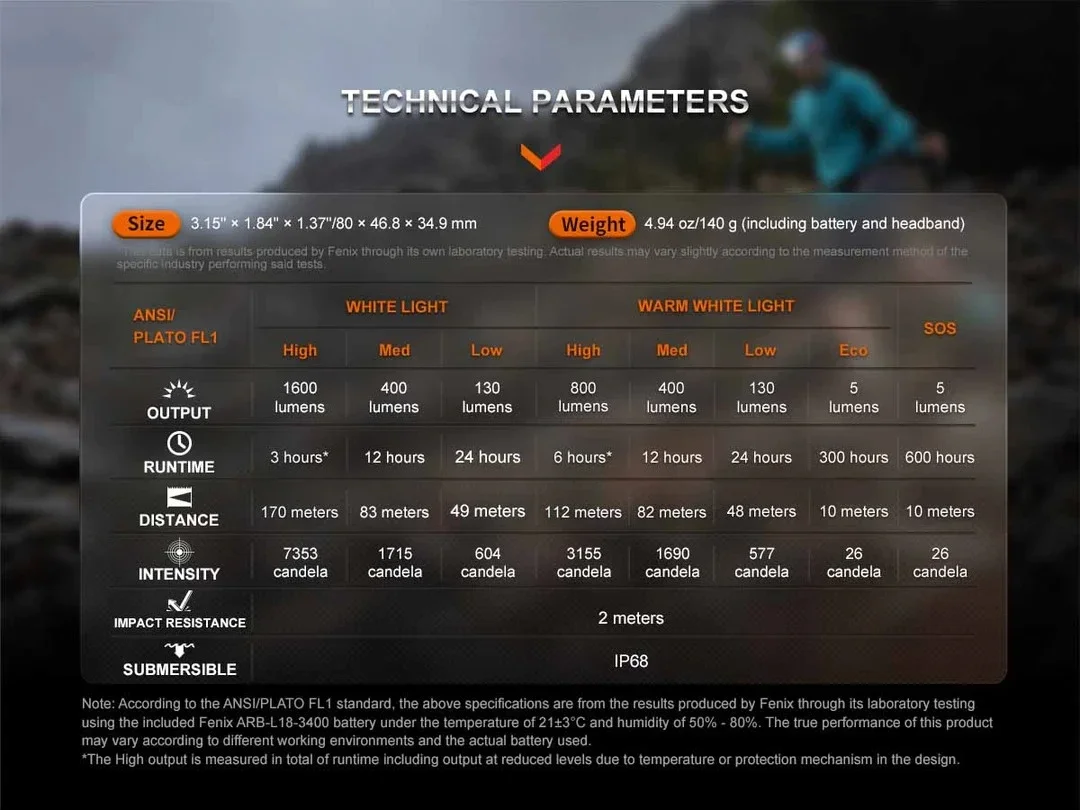
Headlamp HM65R Runtime Graphs – love the white light and warm light options, and 400 lumens for 12 hours is awesome, or 800 lumens on warm for 6 hours is pretty great too. Carry extra batteries and you can blind the competition!
Tough Enough For Adventure Racing
Lights get smashed around in adventure races.
Rocks, branches, rain, mud, river crossings, kayaks, rough MTB trails and being thrown into transition boxes.
That's another reason I like Fenix. These are proper outdoor lights with serious water and impact resistance.
You don't want to be worrying about your headlamp because it's raining.
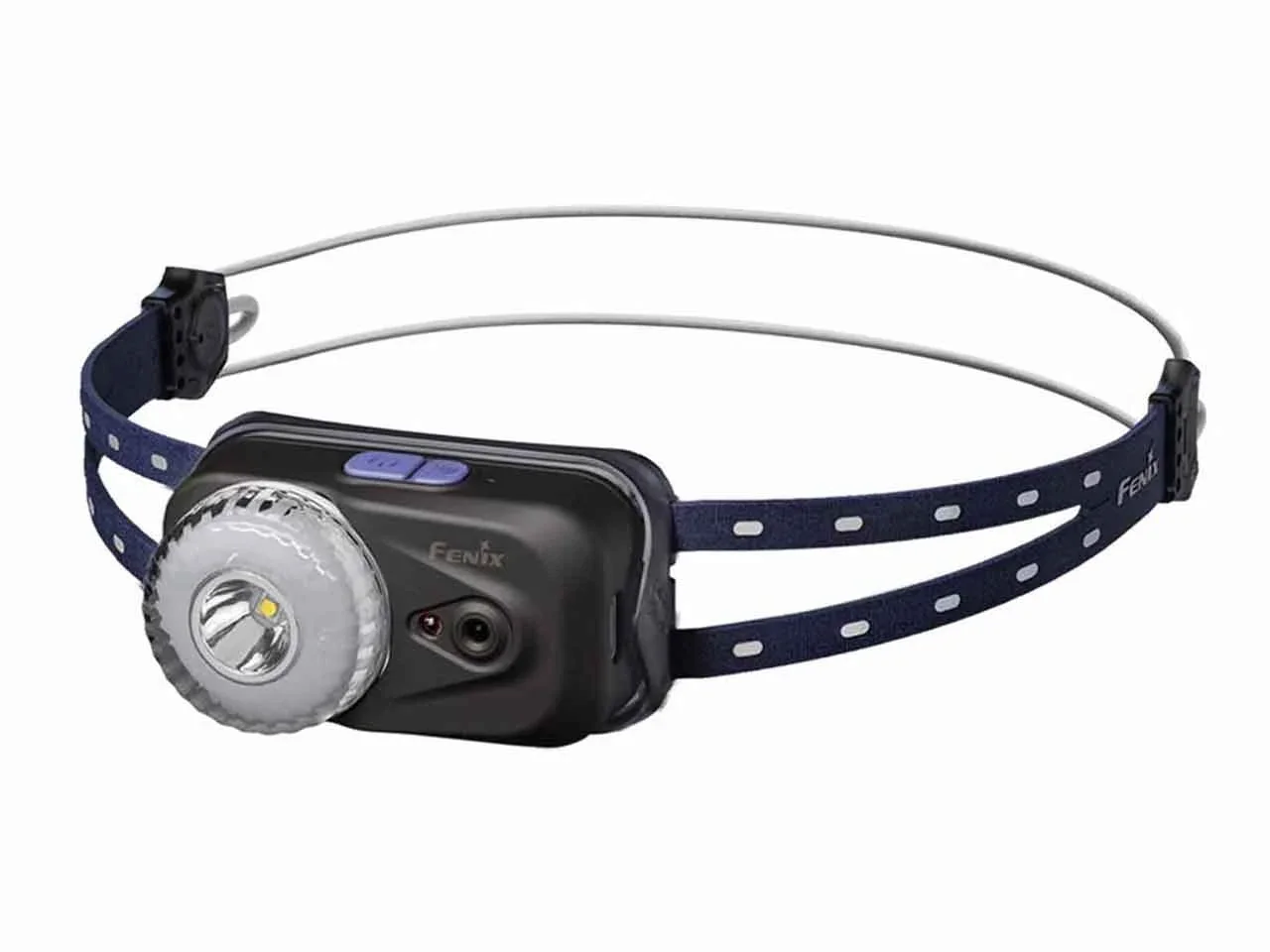
A great little backup, not quite as tough as the 65HM but a great option for something light weight in an emergency.
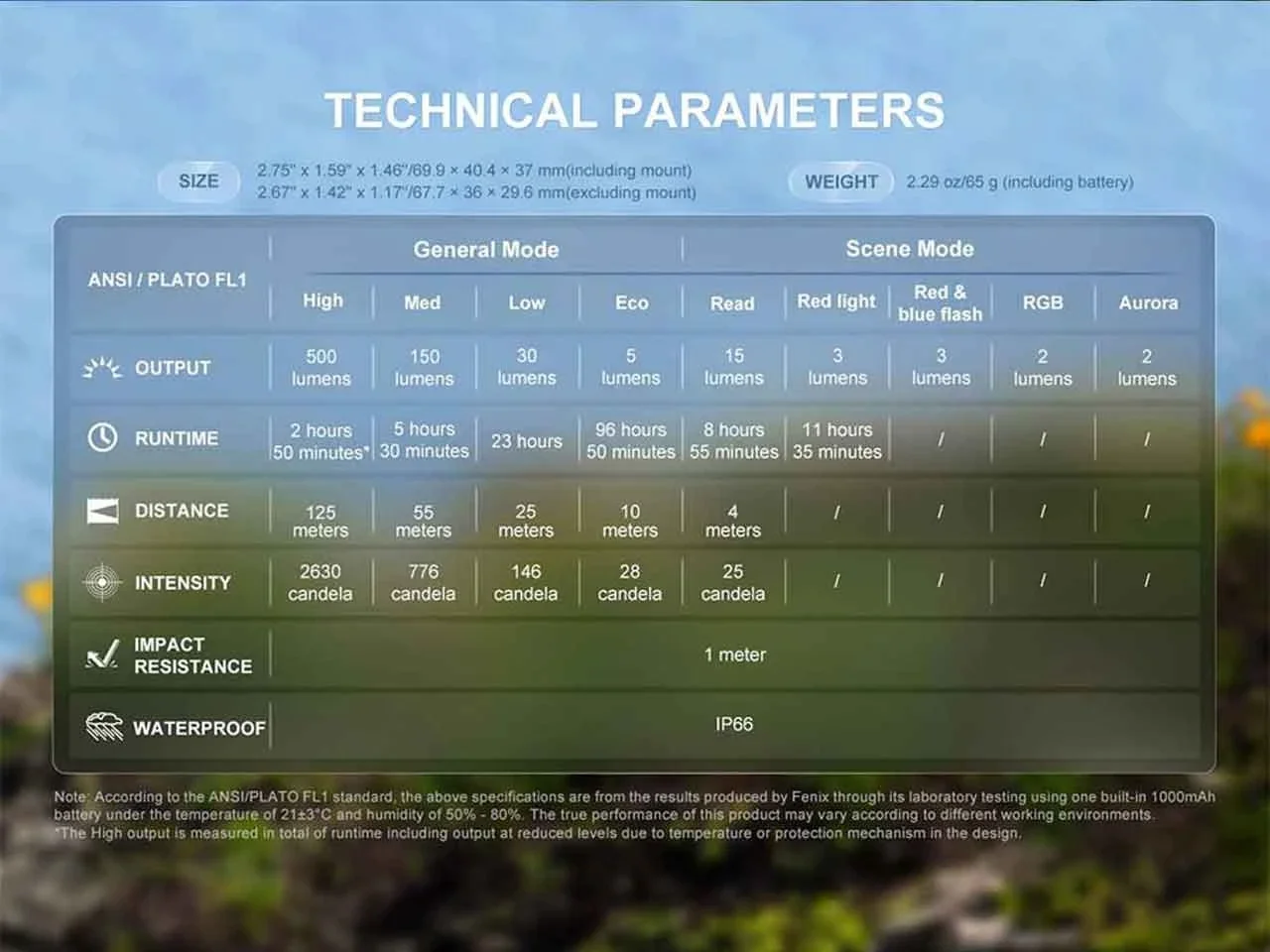
150 lumens for 5 hours in an emergency is perfect. And if you’re after a light weight option for bushwalking this is great.
Carry A Backup
I always carry a small second headlamp.
The Fenix HL17R is perfect: compact, USB-C rechargeable and up to 500 lumens.
Charge it, put it somewhere safe and hopefully never use it.
It's cheap insurance against a lost or damaged main light at 2am.
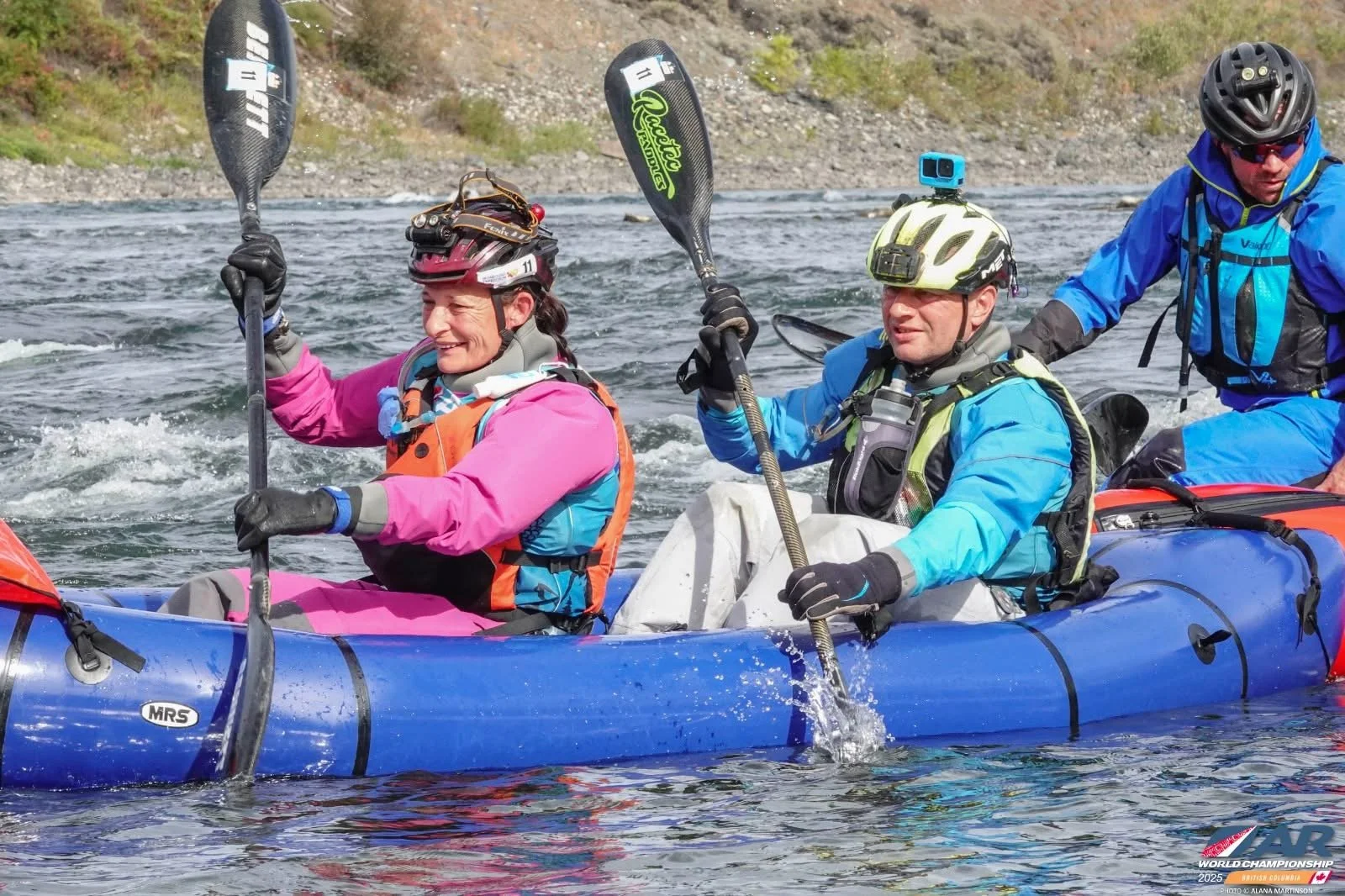
The helmet mount is awesome, Christine has left the strap on, Sam has taken it off. Not sure where Anthony has his headlamp stashed.
Tested At World Champs
Sam, Christine, Anthony and I all used versions of this Fenix setup during the nine-day ARWS World Championships in Canada.
It worked brilliantly.
By the final day I'd actually run out of charged headlamp batteries. I took my Fenix bike light off the bike and used it as a handheld torch.
Problem solved.
That's why I like having a simple, modular system. In a 24-hour race it's convenient.
By day nine of an expedition, it can save your race.
The Bottom Line
Buy well once and get your lighting sorted.
A great headlamp. A proper bike light. A helmet mount. A small backup. A tail light and some spare batteries.
The same setup can take you from your first 24-hour race to an expedition — or an ultra, bikepacking trip, hike or whatever crazy adventure comes next.
Wild&Co Recommended
BC26R 1600lm Bike Light + FREE Tail Light
Use code WLDNCO for 10% off.
Wild&Co has partnered with Fenix Store Australia. Wild&Co receives a referral commission on qualifying purchases made through links on this page.